
Blank Chalkboards, Roses, and Our Attention: Congo Peace School and Peace in the Midst of War, with Messages from the Students
“As long as there is no justice, millions of peace agreements can be signed but nothing will change on the ground if the perpetrators are not held accountable.” – Amani Matabaro
With the distant pops of gunfire and threat of encroaching war part of daily life, it’s hard to imagine how the students at the Congo Peace School (CPS) are still laughing and playing on the school’s campus, and yet they are. They are, also, stressed and shaken from passing armed soldiers on their walks to school, from learning that a friend or family member was killed.
I’ve been to the Congo Peace School several times, from its construction in 2018, when I ducked under beams and watched a section of blank wall painted into a blackboard. A rectangle now demarcated by a deep charcoal color that holds anticipation and the unknown – future mathematical challenges to be puzzled out on it, a space to hold language and stories written by small hands gripping chalk.
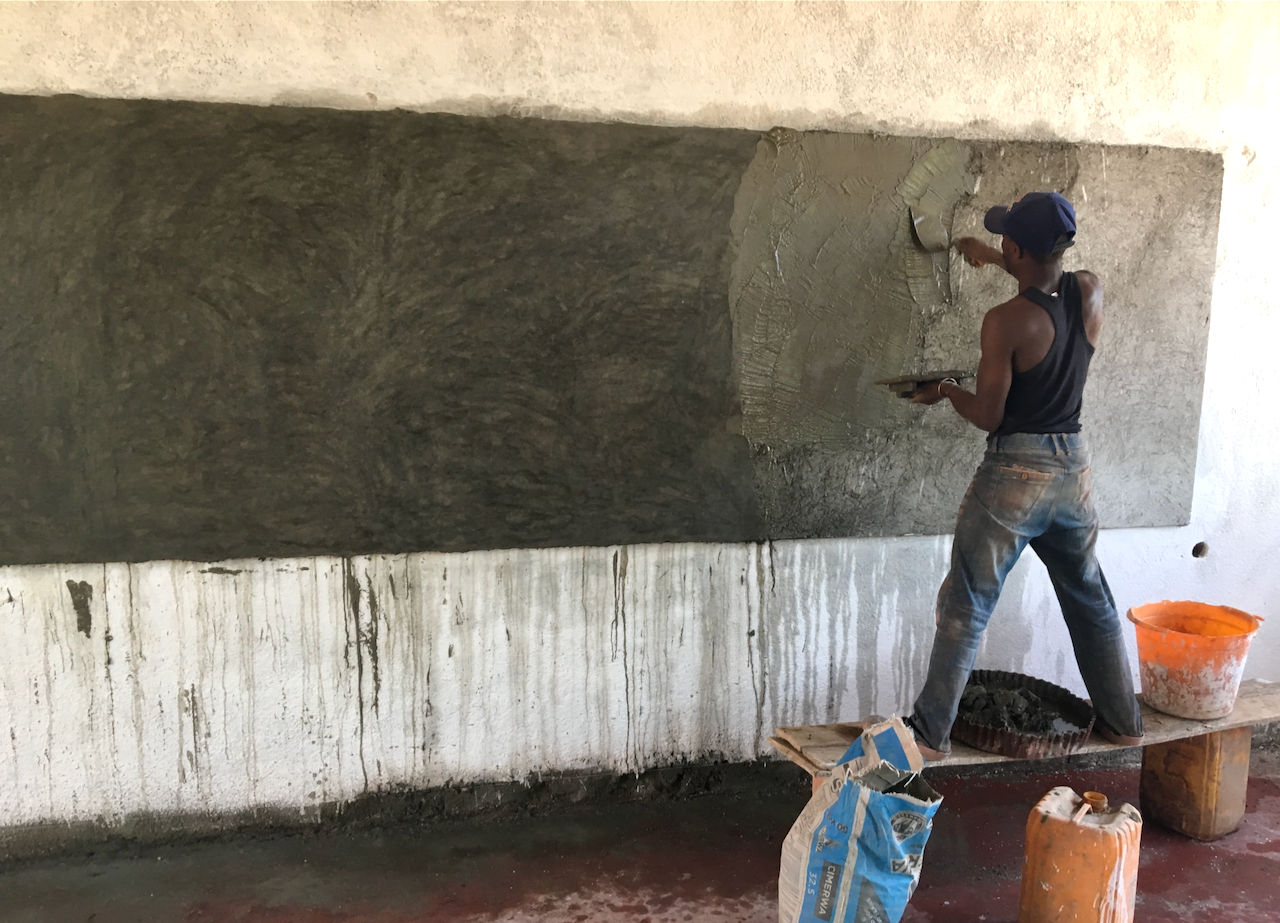
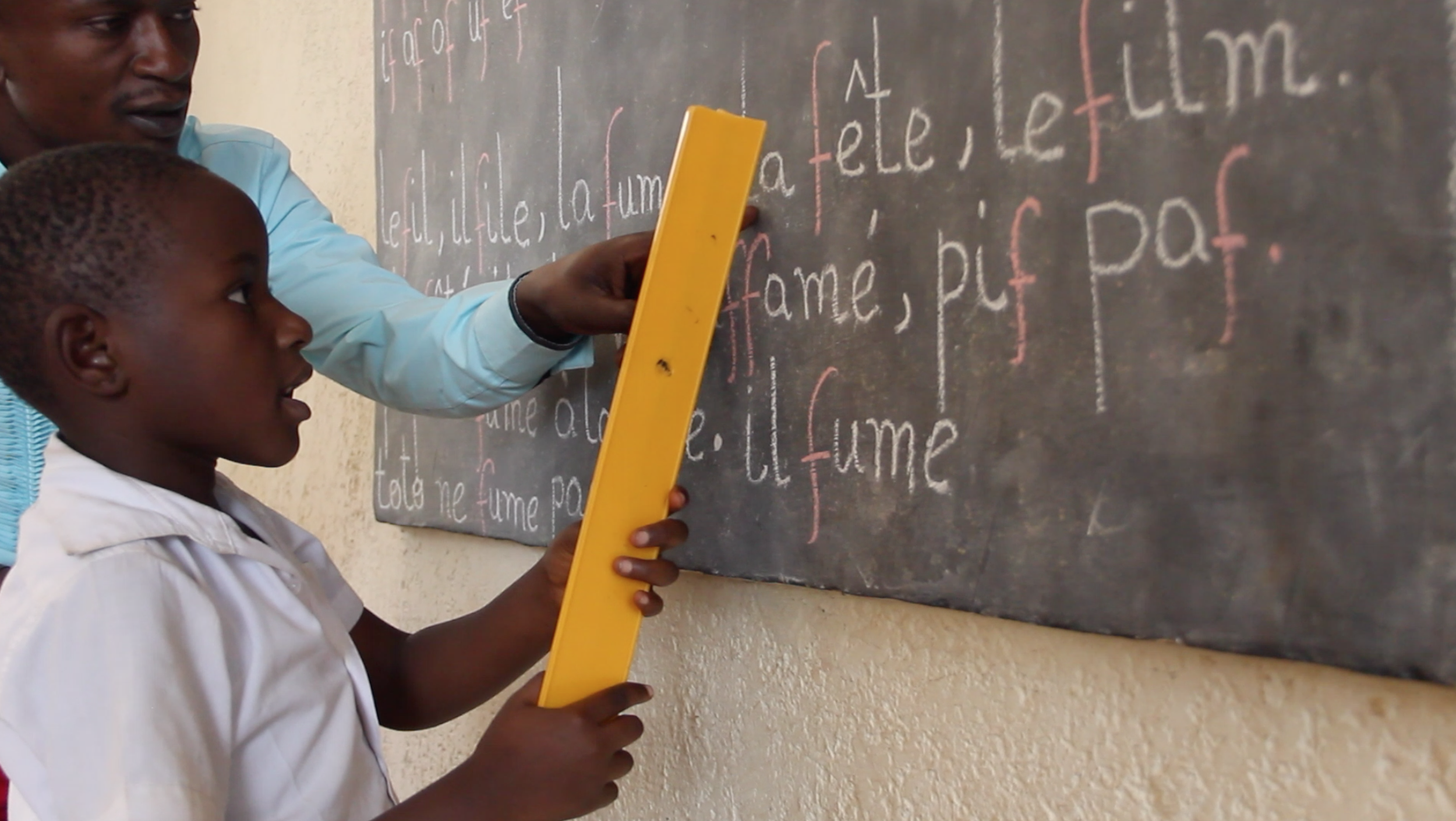
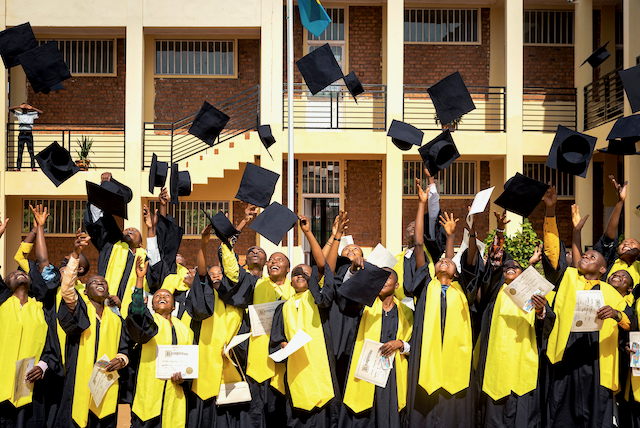
I met and recorded the stories of the community members excited to be hired to lay the foundation of such a special school, a beautiful campus and Amani's long-time dream of a peace school made possible through the Dillon Henry Foundation and the financial support of many of you reading this. Once opened in the fall of 2018, I heard the gleeful laughter and sound of feet running around the grounds. In the summer of 2023, I had the amazing opportunity to celebrate with the first graduating class: students who had been orphaned by war and AIDS and poverty, or whose parents could not afford the nominal school fees of the nearby public schools, were now celebrated as success stories of diligence and perseverance in their studies.
The Congo Peace School remains open in the current war. But the students are in survival mode, traumatized on a daily basis amidst armed violence, the sound of gunfire, stories of a beloved friend, family member, or neighbor killed. There are protocols that inform them and their families if it is safe to walk to school that day – a place that for many of them is the only chance to eat a meal.
How do you speak of peace when surrounded by violence? How do you act in nonviolence in the midst of gunfire? Those chalkboards still hold their promise, and the students continue to write their own stories of dreams and hopes for a future where they have peace, so they can pursue lives as doctors, teachers, social-workers, chefs, parents, artists, all the dreams we all share, regardless of where we live.
We asked the staff to speak to the preschool teachers, current preschool students, and several who matriculated into primary from the preschool classes (called Nest Congo, and possible because of the amazing work of our partner Nest Global) what their experiences have been, and how pedagogy rooted in curiosity, agency, peace, healing, and nonviolence has changed them.
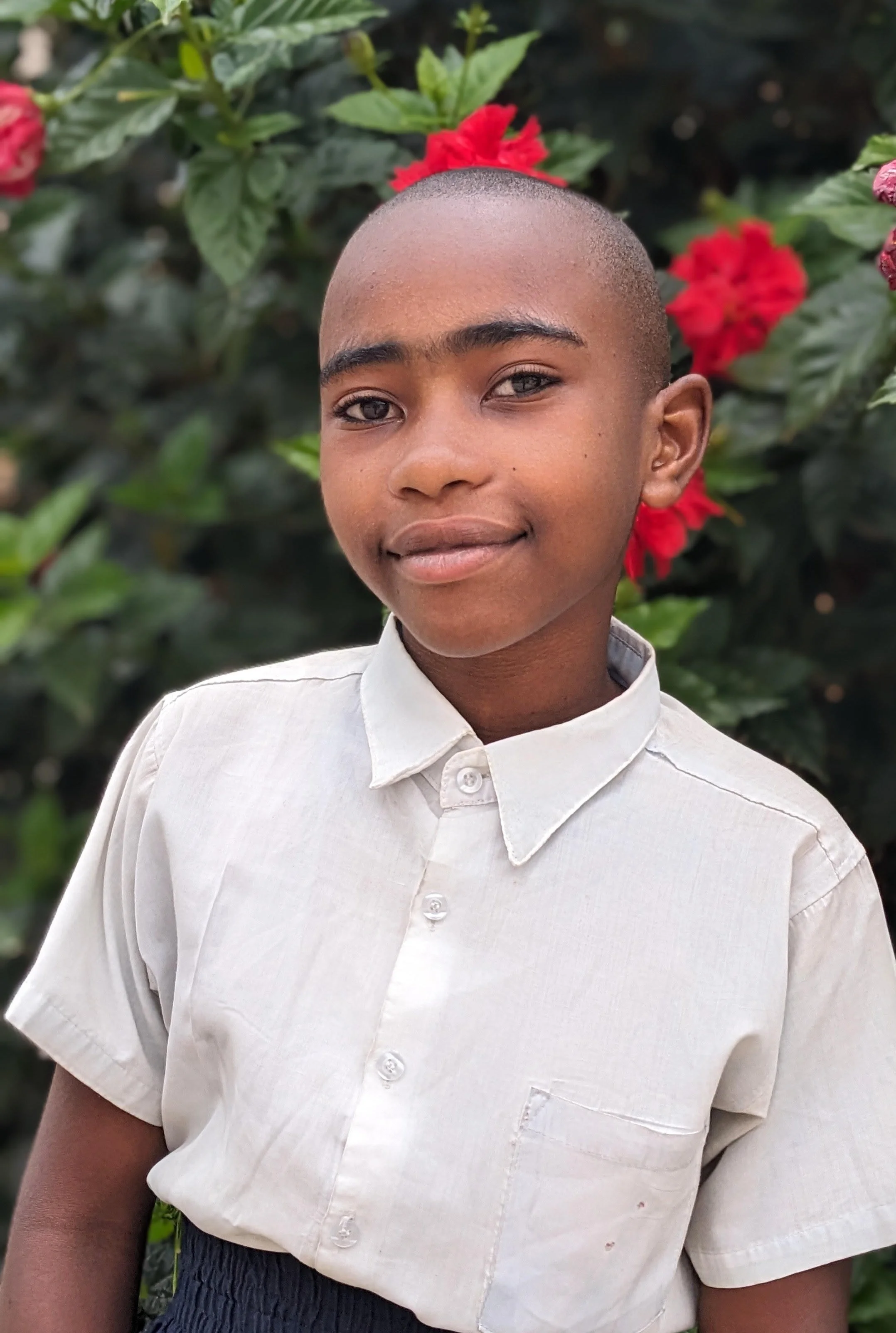
“I thought that school was just for learning to read and write, but I already understand that school also helps us to think and define our dreams. I like Congo Peace School (CPS) because of the subjects we are taught. I will be surrounded by good people and have good relationships with everyone, studying in good conditions.
“Regarding the DRC, I want the whole world to know that we are going through times of war, that hatred must be put aside so that peace can return.”
- Nouria, 6th grade student and alum of the Nest Congo
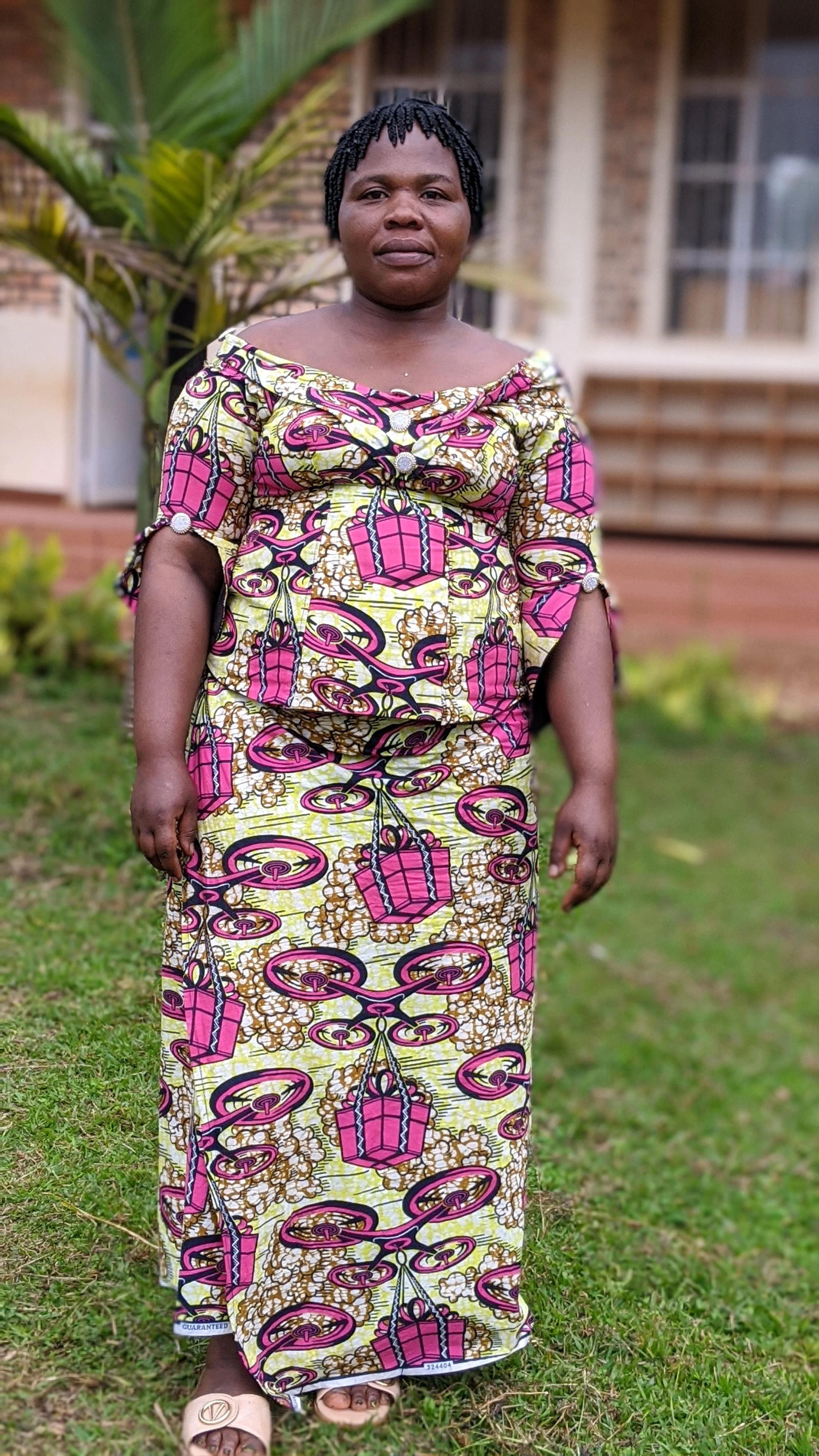
“The difficulties I encounter in teaching 4-year-olds are that they get stressed when they hear the sound of gunfire, which has become more frequent lately. When I arrive in class, I bring them in to help them forget certain things.”
- Congo Peace School preschool teacher Cibalonza
Shortly after a peace deal signed in Washington D.C. between DRC and Rwanda on December 4, the armed violence escalated in the eastern provinces of Congo. The Congo Peace School provides a safe space for students to not only learn, eat healthy meals, and also process the daily trauma from living in a war.
It can feel helpless to look at the violence and resulting suffering of so many in the world, and we are grateful that you continue to turn your attention to the people of Congo. Know that your attention and your financial support is making a lifelong impact in the lives of the students, staff, and the community, who are practicing daily the peace and healing they long to see in their world.
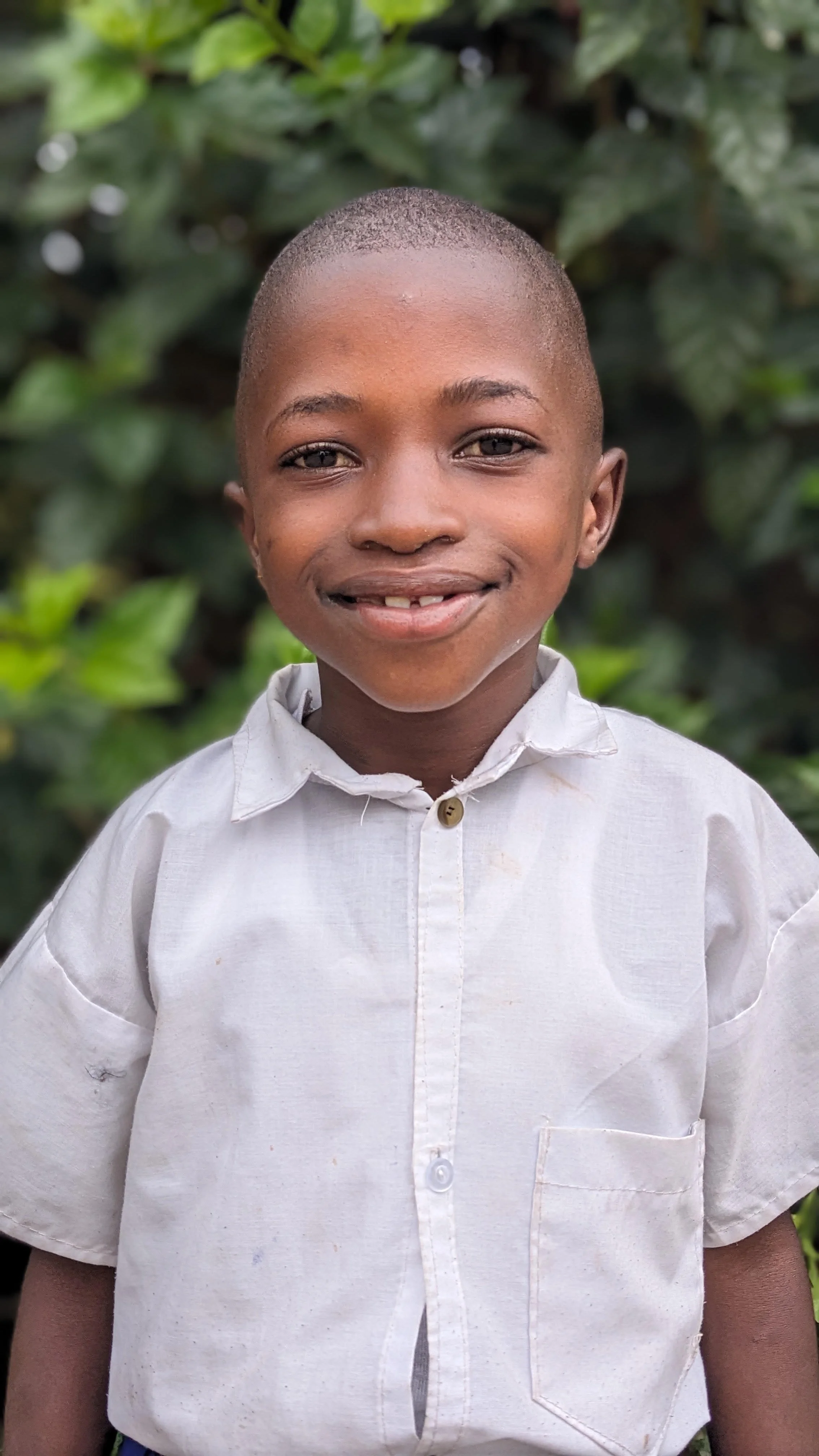
“The message about my life and my country is that I am a little girl who loves peace and fears violence. I ask everyone outside the DRC to fight and dialog so that the war in our country will end, and we will congratulate them.”
- Ines Imara, 3rd grade
Rape as a weapon of war, an ongoing horror for the past 30 years in Congo, has escalated as well during this war. Content warning: this piece reports on the rape of children. If you are able to, please read it. Please ring the alarm bells by telling others about it – about the war in DRC, about how the children and communities who simply want peace are living in constant trauma. How we benefit from the land and labor of Congo – its minerals fueling our tech. How we can make a difference – investing in daily lessons in peace and trauma-informed education by supporting the Congo Peace School.
::Take Action::
Call your representatives and tell them you are paying attention to what the government is doing in light of the horrific humanitarian crisis. Scroll down to learn more about how pressure on Rwanda is working (see PAEMA’s recent news bulletin, link below). Tell them you do not want a celebration of the riches that the minerals and economic deals might provide, but a real plan for de-escalation, for disarmament of militias and accountability for war crimes, for reintegration into civil society. For investment in education and jobs in Congo so that people are not so desperate that they pick up a gun in order to eat that day.
If you are able to, please choose Action Kivu as part of your year-end gift giving. Your partnership allows students like Ines and Nouria and the little ones currently in the preschool program (see below) know that the world is paying attention, that we care about them. How to give, here.
We refuse to turn away from these students. They are our hope for the future peace of Congo, and our world.
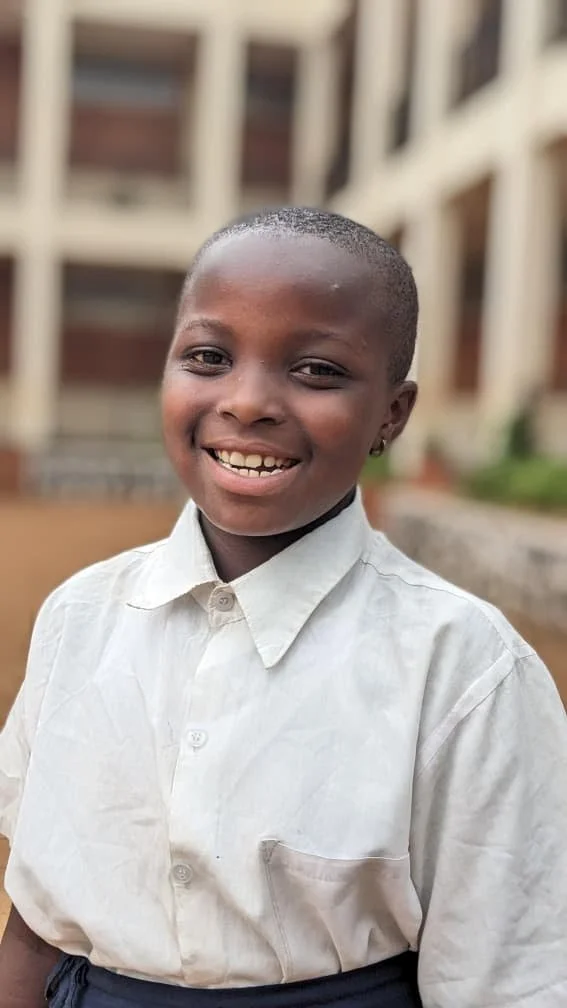
“My best memory of preschool is the corrections the teachers kept giving us. Since preschool was our foundation and inspiration, we continue to refer to it even in some classes when answering questions.
“Before preschool, I thought school would be difficult, but when I started, I didn't find anything difficult. I like CPS because the teachers are experts in their subjects.
“We are at war in the DRC, and we are asking for help because life has become very difficult and uncertain here.
“Attending preschool prepared us to think carefully and adapt to higher grades. When I was still at home, I was told that children are whipped at school, and that scared me, but once I arrived, I found that my teachers loved me and didn't hit me.
“Let the whole world know that we are suffering from war, and let them come to our aid.
“I would like to thank the teachers at CPS for their kindness and for teaching me to think for myself.”
- Ampire, 5th grade
Our Founding Director Amani Matabaro shared more of his thoughts: “Economic drivers, especially the illegal exploitation of Congo's critical minerals through foreign interference, have been at the center of the ongoing Congo crisis which unfortunately is now spilling over into the entire African Great Lakes Region. As long as the culture of impunity remains and no one holds accountable the perpetrators of war crimes and crimes against humanity in the Democratic Republic of Congo, rape will continue being used as a weapon of war, millions of people will be forced to flee their homes and livelihoods, children will continue to be forced into fighting, and the final consumers of the conflict minerals will remain willingly and unwillingly involved in the illegal and nontransparent supply chain. This crisis needs individual and global attention.”
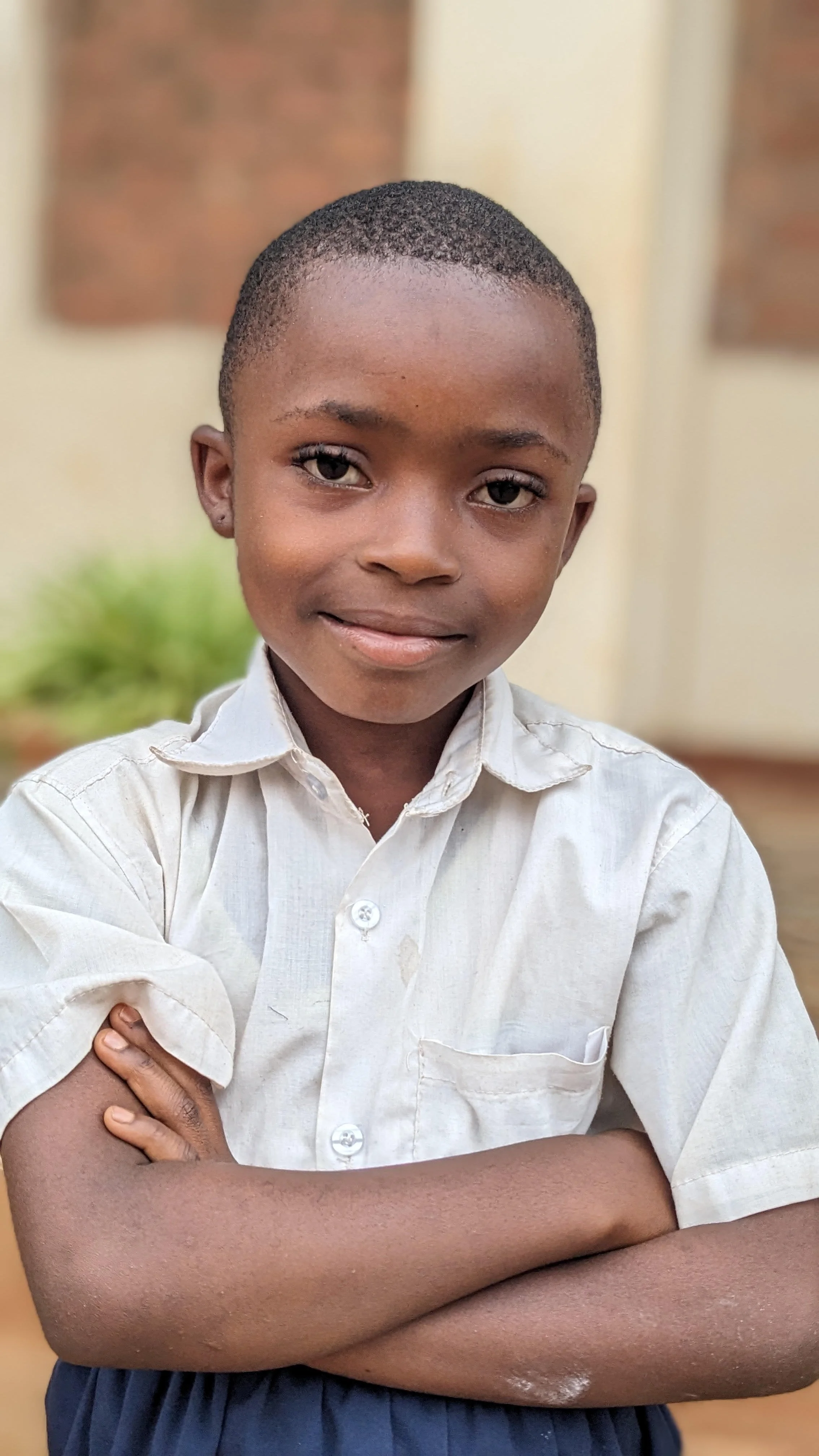
“I love Congo Peace School because it teaches us peace, reconciliation, and good values. My message to the whole world is that I love all our friends who care about us and support us, but please know that we are suffering. We want the war to end. We are losing our parents, friends, and brothers in this war.”
- Akonkwa, 3rd grade
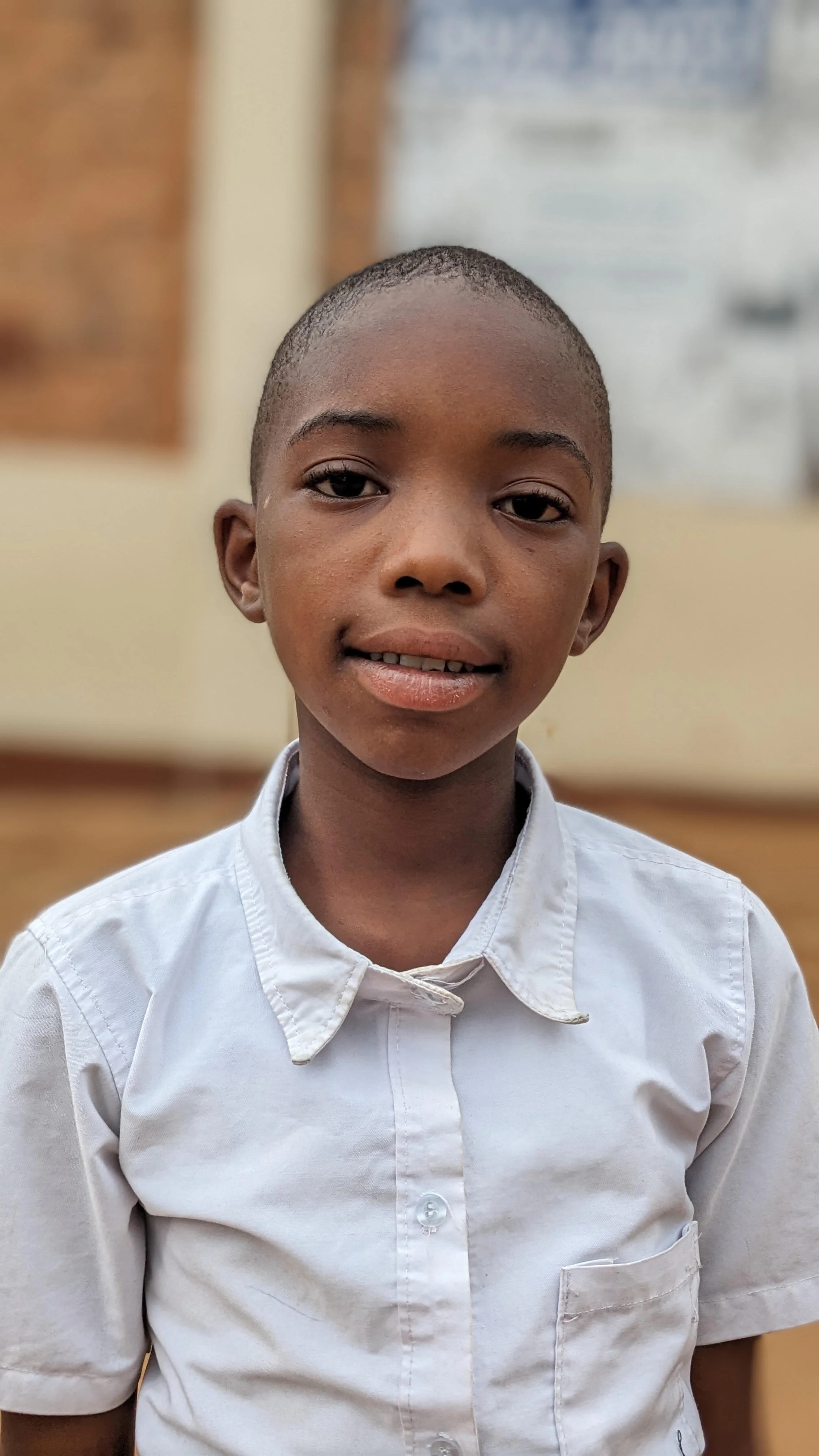
“My best memory of preschool is games and poems. Those of us who went to preschool find it easier to adapt to questions asked in class compared to the others. Before, I thought school would be the hardest thing, but I found it very easy. I liked preschool.
“I am Nice, a girl from the DRC. I want people to understand that we are suffering because of this war.”
- Faraja Nice, 5th grade
CURRENT PRESCHOOL STUDENTS
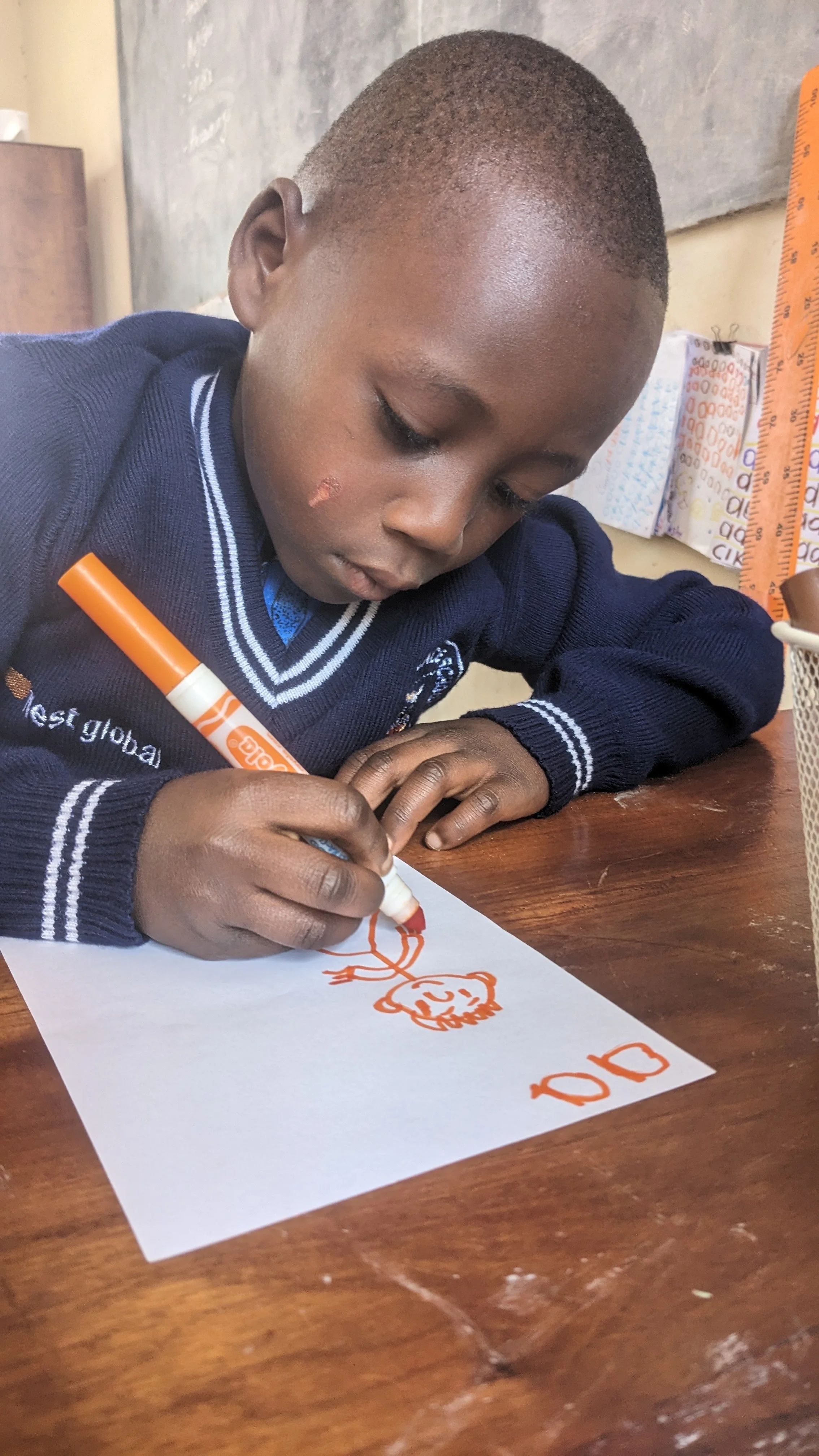
“I prefer the art area. I like the art area because I can write whatever I want, such as drawing people, houses, etc.”
- Munguampire, preschool student
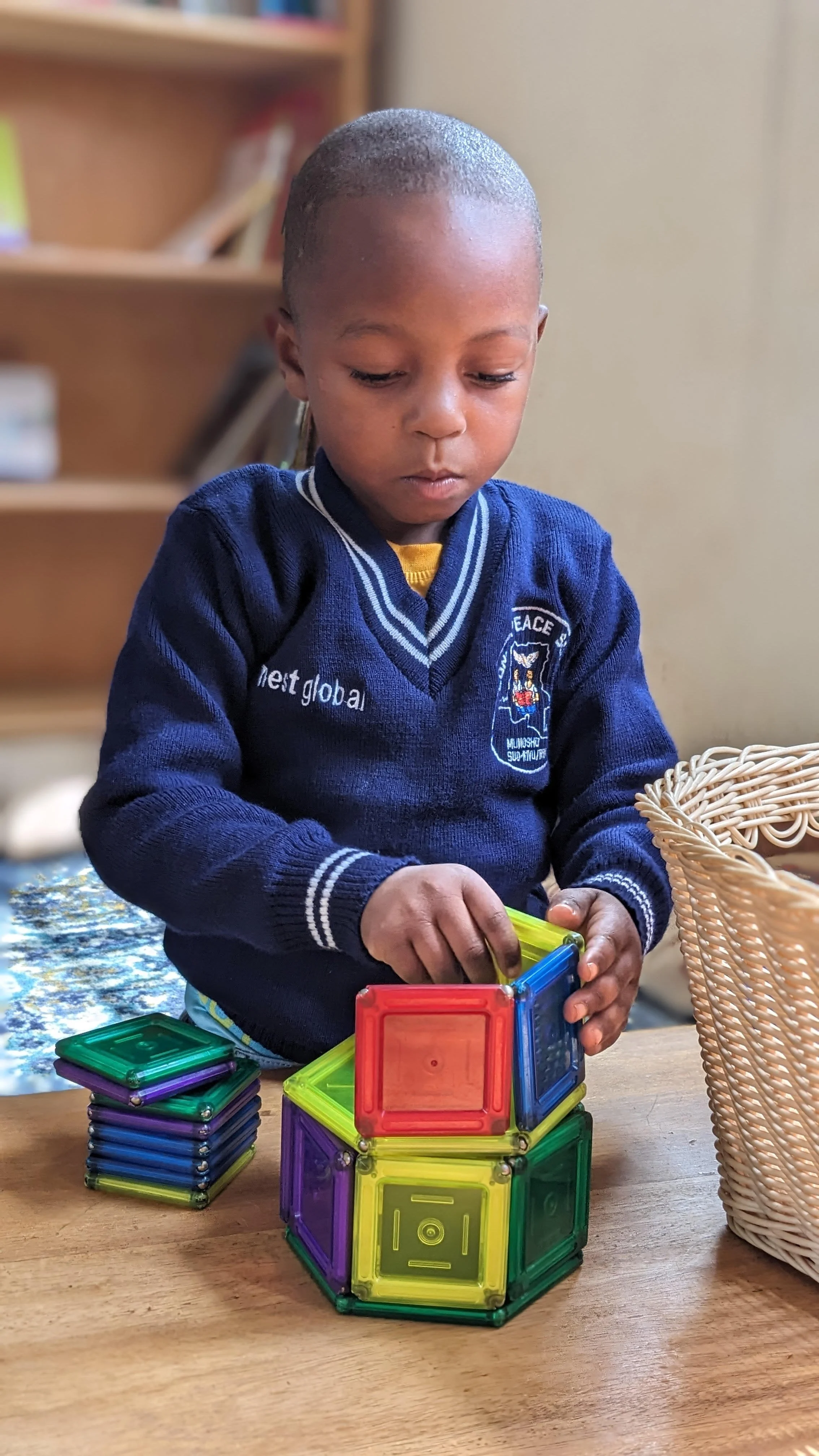
“I prefer the construction area because I want to build a house. I like magic squares.”
- Kamerhe, preschool student
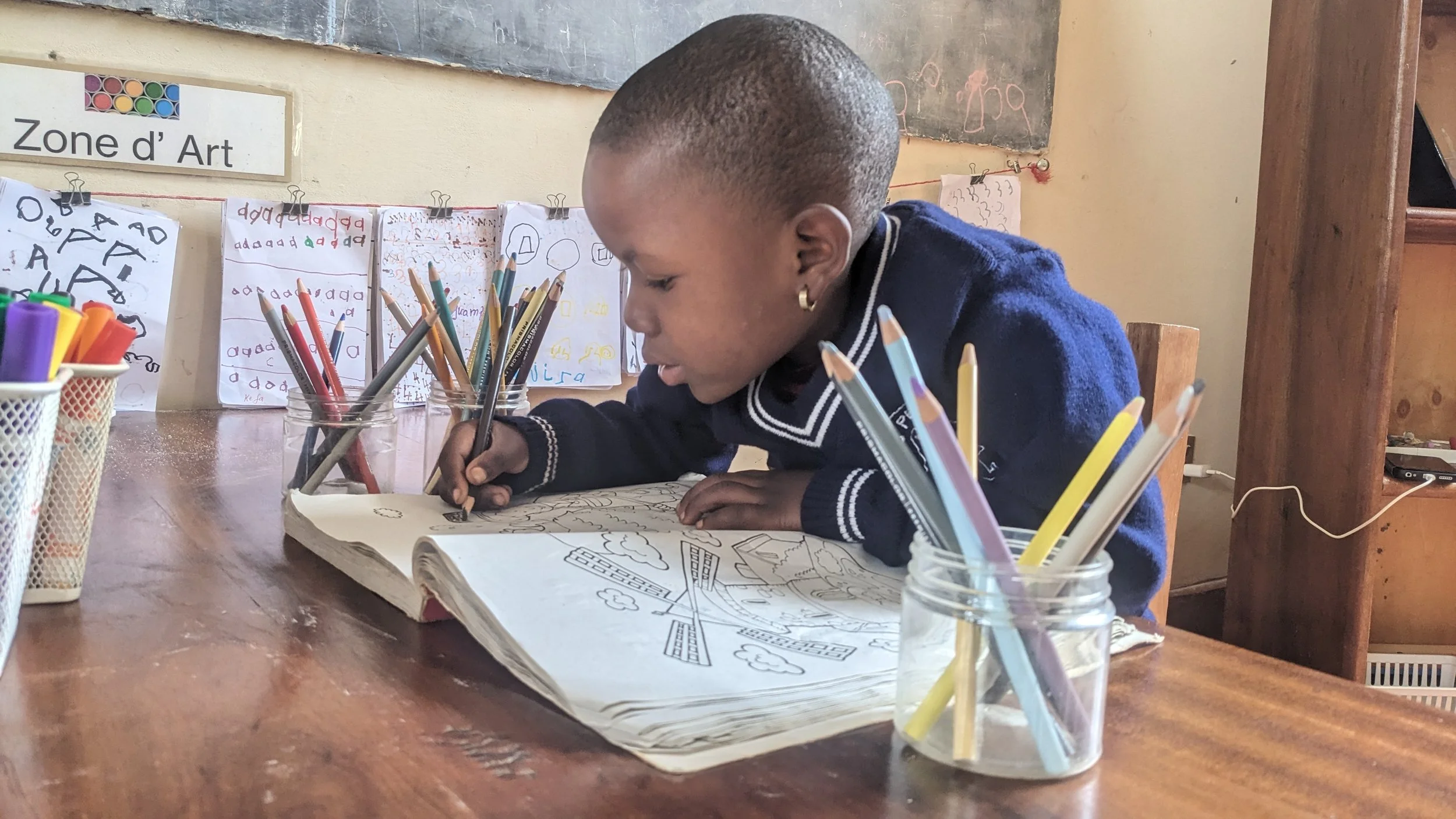
“I prefer coloring books in the library. I like the library area because I can see colored drawings. I like coloring every day.”
- Cikuru, preschool student
More news on Congo:
From our friends at PAEMA via their DRC news monitor:
On 19 December in New York, Security Council members unanimously voted on the renewal of MONUSCO for a year (more information on the negotiations is available through the Security Council Report). The U.S. representative stated that the negotiations had been disrupted by ‘Rwandan and M23 efforts to sabotage a viable peace process’ and called M23’s commitment to withdraw from Uvira ‘not sufficient’, instead asking the group to withdraw at least 75 kilometers from the city.
(Head over to PAEMA’s DRC News Monitor for their special focus on the capture of Uvira and its fallout, the implications for a wider regional war, and the heavy humanitarian casualties, and the U.S. response.)
Your commitment to the people of Congo is making a difference. I recently read a metaphor by Thich Nhat Hanh in his book How to See that described a different way to look at and see an object, a rose in this instance, as a way into understanding our interbeing with the entire cosmos. It cracked open a little greater understanding of Martin Luther King Jr.'s teachings for me. (CLICK HERE for pdf of How to See, - page 20 for Looking Into the Rose.)
By your choice to focus on the place and people of Congo in this light, with this attention to their human rights - the right to live and live in peace - this attention is changing your own view of our interconnectedness, and thus leading to more and more interconnectedness and actions for justice and human rights for all.
"Injustice anywhere is a threat to justice everywhere. We are caught in an inescapable network of mutuality, tied in a single garment of destiny. Whatever affects one directly affects all indirectly.” - Martin Luther King, Jr. from Letter from a Birmingham Jail.
Thank you so much for your gifts, of financial support and of your attention. They mean more than you know.